Low Porosity Hair: Best Techniques for Product Absorption
Struggling with low porosity hair? Discover effective techniques to help your products absorb better, enhance moisture retention, and nourish your curls.

Ruth Adebayo
Hair Science Writer
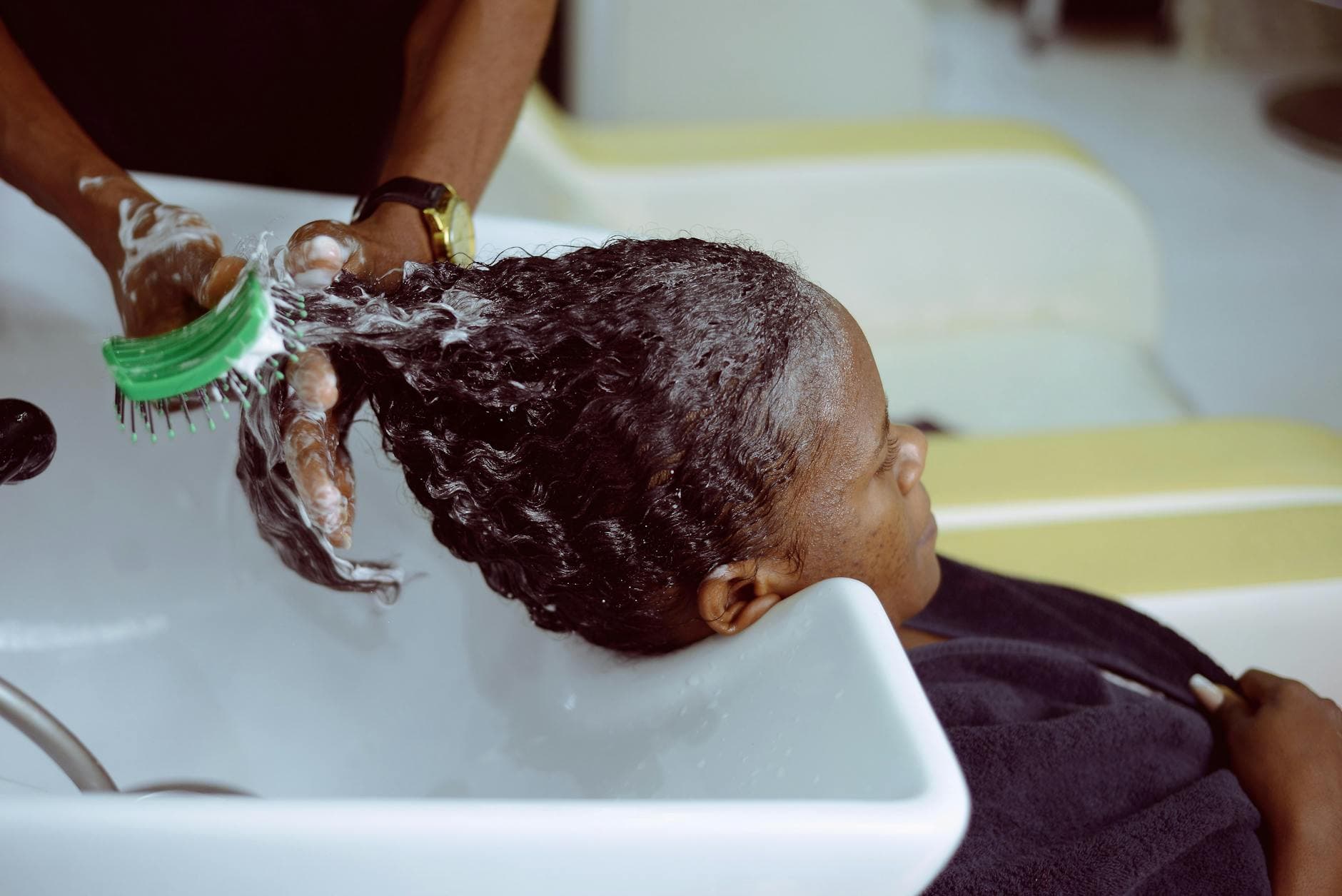
Low Porosity Hair: Best Techniques for Product Absorption
If you’ve ever felt like your textured hair just doesn’t seem to absorb moisture no matter what you try, you might be dealing with low porosity hair. Understanding your hair’s porosity is crucial to tailoring your hair care routine effectively. In this guide, we’ll explore what low porosity means, how to enhance product absorption, and which hair care techniques can help your natural hair thrive.
What is Low Porosity Hair?
Low porosity hair is characterised by tightly closed cuticles that make it difficult for moisture and products to penetrate the hair shaft. While this might sound like an advantage because it retains moisture once absorbed, it can also mean that products tend to sit on the surface, leaving your hair feeling greasy or weighed down.
Signs of Low Porosity Hair
- Water beads on the surface: If water tends to bead up rather than soak into your hair during washing, you might have low porosity hair.
- Slow drying time: Does your hair take ages to dry? This can be due to the cuticles being tightly packed, preventing excess water from escaping easily.
- Product build-up: If you often notice product residue without any noticeable effects on your hair, low porosity could be the culprit.
Techniques for Enhancing Product Absorption
Understanding how to work with your hair’s porosity can make a world of difference. Here are some tried-and-tested techniques to help products penetrate your low porosity hair and enhance moisture retention.
1. Use Heat to Open Cuticles
Warmth can help open the cuticles, allowing products to penetrate more effectively.
- Warm Water Rinse: Start your wash day with a warm water rinse to gently open your hair cuticles.
- Heat Caps or Steaming: Incorporate a heat cap or hair steamer during deep conditioning. This encourages the conditioner to soak in rather than just sit on the surface.
2. Choose the Right Products
Selecting the right products is crucial for low porosity hair.
- Lightweight Moisturisers: Opt for water-based, lightweight leave-ins and moisturisers. They are more easily absorbed and won’t weigh your hair down.
- Avoid Heavy Oils: Heavy oils and butters can create a barrier, preventing moisture from entering. Instead, look for products with humectants like glycerin or honey that attract moisture.
3. Layer Products Correctly
The order in which you apply products can affect how well they absorb.
- LOC Method: Use the LOC method (Liquid, Oil, Cream) to lock in moisture. Start with a liquid leave-in, followed by a light oil, and seal with a cream.
- LCO Method: Alternatively, some find the LCO method (Liquid, Cream, Oil) more effective. Experiment to see which works best for your hair.
4. Clarify Regularly
Product build-up can be a common issue for low porosity hair.
- Clarifying Shampoos: Use a clarifying shampoo once a month to remove excess product build-up. This helps your hair better absorb new products.
- Apple Cider Vinegar Rinse: Consider an apple cider vinegar rinse to balance your hair’s pH and gently lift the cuticles for better absorption.
Products to Try
Finding the right products can be a game-changer for low porosity hair. Here are some types of products you might want to explore:
- Water-Based Leave-Ins: Look for hydrating leave-in conditioners that list water as the first ingredient.
- Lightweight Oils: Jojoba oil and argan oil are excellent choices as they are less likely to weigh down your hair.
- Deep Conditioners: Choose conditioners with penetrating ingredients like aloe vera or coconut milk.
Explore our selection at [Auntie Marlene's Hair Care](/hair-care) to find what suits your needs.
Caring for Low Porosity Hair
Consistency and patience are key. Here’s how you can maintain your low porosity hair:
1. Maintain a Regular Routine
- Weekly Wash Days: Stick to a regular wash day routine to keep your hair clean and free from build-up.
- Deep Conditioning: Incorporate deep conditioning sessions weekly or bi-weekly to nourish your hair.
2. Protect Your Hair
- Satin or Silk: Use satin or silk pillowcases and hair wraps to reduce friction and retain moisture.
- Protective Styles: Consider protective styles that allow for low manipulation and help retain length.
Conclusion
Low porosity hair requires a bit of special attention, but with the right techniques and products, you can achieve beautifully moisturised and healthy hair. Remember, it’s all about enhancing what’s naturally yours and celebrating your unique texture.
Explore more tips and find the perfect products for your natural hair journey at [Auntie Marlene's](/hair-care). If you have any questions or need personalised advice, feel free to reach out. Happy hair care!
---
Looking to dive deeper into natural hair care? Check out our guides on [moisture retention](/hair-care/moisture-retention) and [textured hair techniques](/hair-care/textured-hair-techniques). Embrace your natural beauty with confidence!
About Ruth Adebayo
Ruth Adebayo combines her background in biochemistry with a passion for hair education. She breaks down complex hair science into practical, understandable advice for everyday naturals.