Caring for Mixed Curl Patterns: Your Ultimate Guide
Discover how to care for mixed curl patterns with our expert tips. Embrace your unique textures and create a tailored hair care routine that works for you!

Keisha Brown
Curl Pattern Expert
Caring for Mixed Curl Patterns: Your Ultimate Guide
Navigating the world of natural hair can be an exciting yet intricate journey, especially when dealing with mixed curl patterns. For many, having multiple textures on one head is a reality that adds complexity to hair care routines. If you're wondering how to nurture and celebrate your unique blend of curls, coils, and waves, you're in the right place. This guide will provide you with practical tips and advice on managing mixed textures, ensuring your hair remains healthy and vibrant.
Understanding Mixed Curl Patterns
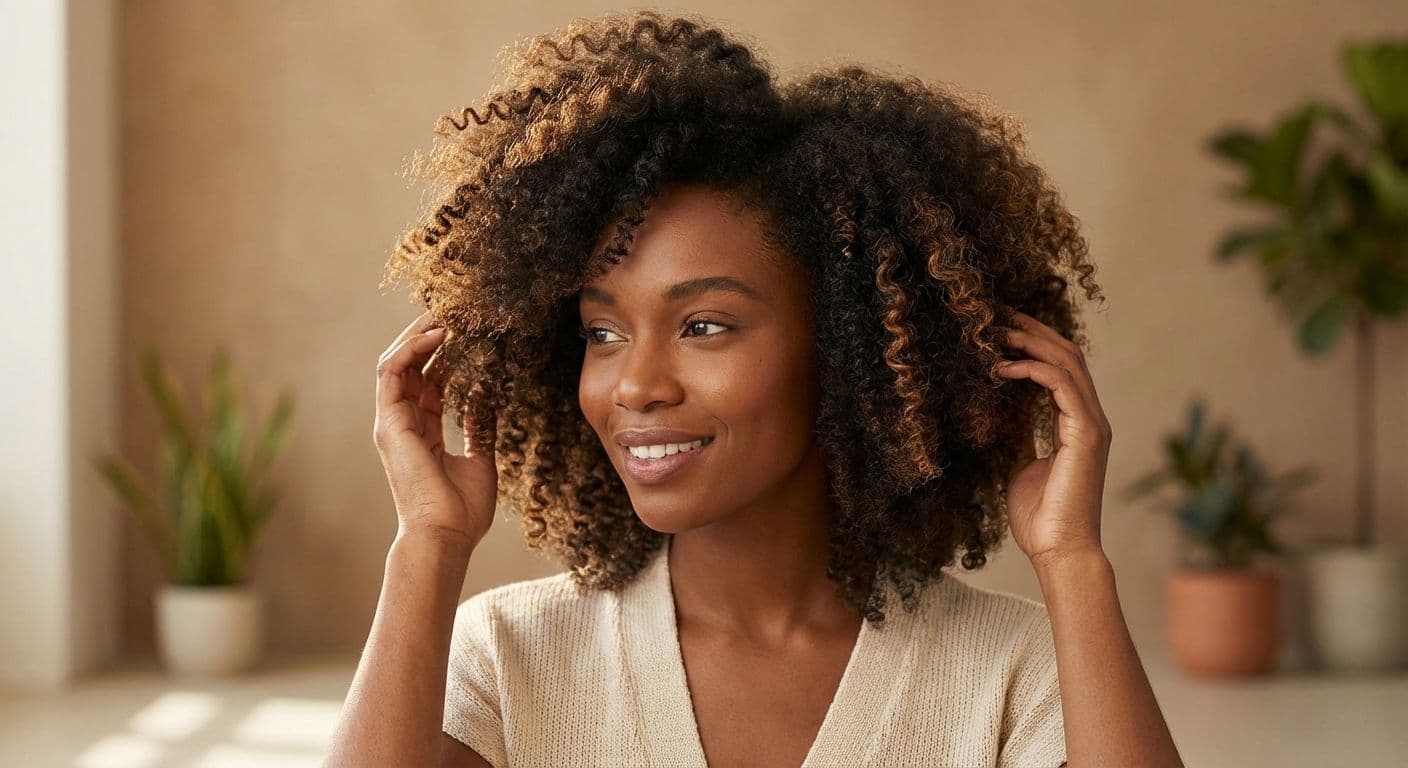
Before diving into the care routine, it’s essential to understand what mixed curl patterns mean. It’s not uncommon for individuals to have different textures on various parts of their scalp. For example, your crown might boast tight coils, while the back may have looser waves. This diversity can be attributed to genetics and is entirely normal.
Why Mixed Textures Occur
- Genetics: Your hair texture is primarily determined by your genetic makeup. Mixed-race individuals often experience varied patterns due to a combination of ancestral traits.
- Environmental Factors: Exposure to sun, humidity, and pollution can influence curl patterns.
- Hair Care Practices: Heat styling, chemical treatments, and product build-up can alter your natural texture over time.
Understanding your unique curl pattern is the first step in crafting an effective hair care routine.
Building a Personalised Hair Care Routine
Caring for mixed textures requires a tailored approach. Here’s how you can create a routine that caters to each section of your hair:
1. Identify Your Patterns
The first step is to identify the different textures on your head. You might find it helpful to:
- Section Your Hair: Divide your hair into sections and examine the curl type in each area.
- Refer to Curl Charts: Use a curl chart to help categorise your textures, ranging from 2A waves to 4C coils.
2. Choose the Right Products
Selecting the right products is crucial for maintaining healthy hair. Consider:
- Moisturisers: Opt for leave-in conditioners and creams that cater to the driest parts of your hair.
- Shampoos and Conditioners: Choose sulphate-free shampoos to prevent stripping natural oils and conditioners that offer deep hydration.
- Styling Products: Use gels or mousses with varying holds for different textures.
At Auntie Marlene's, we stock a range of products tailored for diverse curl patterns, ensuring your hair gets the specific care it needs.
3. Develop a Cleansing Routine
A consistent cleansing routine helps in managing mixed textures effectively:
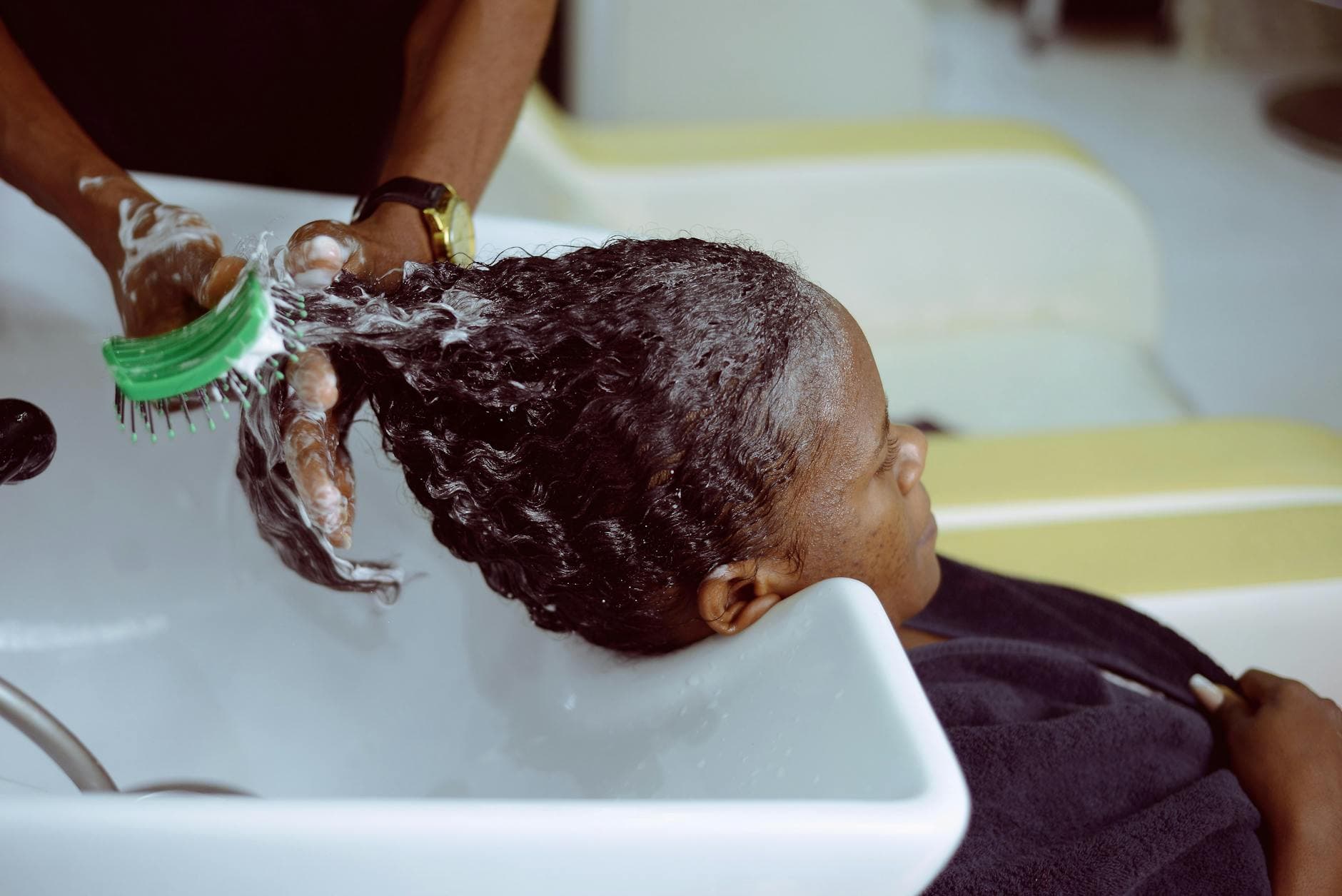
- Weekly Washes: Wash your hair weekly to prevent product build-up.
- Co-Washing: Consider co-washing (conditioner washing) if some sections of your hair are prone to dryness.
- Clarifying: Use a clarifying shampoo once a month to remove any stubborn residue.
4. Moisturise and Seal
Moisture is vital for textured hair. Follow these steps:
- Layer Products: Apply a leave-in conditioner, followed by a moisturising cream and seal with a natural oil.
- Focus on Dry Areas: Pay extra attention to the driest parts of your hair, which may require more frequent moisture.
Styling Tips for Mixed Textures
Styling mixed textures can be challenging, but with the right techniques, you can achieve a cohesive look.
1. Protective Styles
Protective styles are a great way to manage mixed textures while promoting growth:
- Braids and Twists: These styles help keep your hair moisturised and prevent tangling.
- Buns and Updos: Offer a stylish way to manage different textures without excessive manipulation.
2. Heat-Free Styling
Excessive heat can damage textured hair. Here are some heat-free styling options:
- Bantu Knots: A versatile style that can create uniform curls across different textures.
- Flexi Rod Sets: Ideal for achieving defined curls without heat.
3. Stretching Techniques
Stretching techniques help to blend varied curl patterns:
- Banding: Use hair bands to stretch your curls overnight.
- Twist Outs: Create twists on damp hair and unravel once dry for a stretched look.
Addressing Common Challenges
Mixed textures can come with their own set of challenges. Here are some common issues and solutions:
1. Frizz
Frizz is often a concern with textured hair, but you can manage it by:
- Using Anti-Frizz Serums: Apply a serum or lightweight oil to smoothen your hair.
- Avoiding Over-Manipulation: Excessive touching can exacerbate frizz.
2. Uneven Curl Patterns
Dealing with uneven curl patterns requires patience and technique:
- Layered Cuts: Consider getting a layered haircut to help balance different textures.
- Diffusing: Use a diffuser when drying to enhance natural curls.
Embracing Your Unique Texture
Embracing your natural hair is a journey of self-love and acceptance. Remember that:
- Diversity is Beautiful: Every curl, coil, and wave is unique and beautiful.
- Patience is Key: Understanding and managing mixed textures takes time and experimentation.
Conclusion
Caring for mixed curl patterns requires a thoughtful and customised approach. By understanding your hair's unique needs and embracing the diversity of your textures, you can develop a routine that enhances the natural beauty of your hair. At Auntie Marlene's, we’re here to support you with products and advice tailored to every curl, coil, and wave on your head.
For more hair care tips and to explore our range of products, visit our store or website. Embrace your natural beauty and celebrate your textured hair with confidence.
--- If you're eager to start your journey towards healthier, more manageable hair, why not visit our store in South London or browse our online selection? Our team is always here to help you find the perfect products for your unique hair journey.
About Keisha Brown
Keisha Brown is a natural hair specialist and curl consultant. She has spent over a decade studying curl patterns and developing techniques to help clients understand and work with their unique hair texture.