KTC Pure Coconut Oil for Textured Hair: Uses & Limits
Discover how KTC pure coconut oil works for textured hair, including best uses, limitations, and why patch testing matters before applying to coils and curls.
KTC Pure Coconut Oil for Textured Hair: Uses & Limits
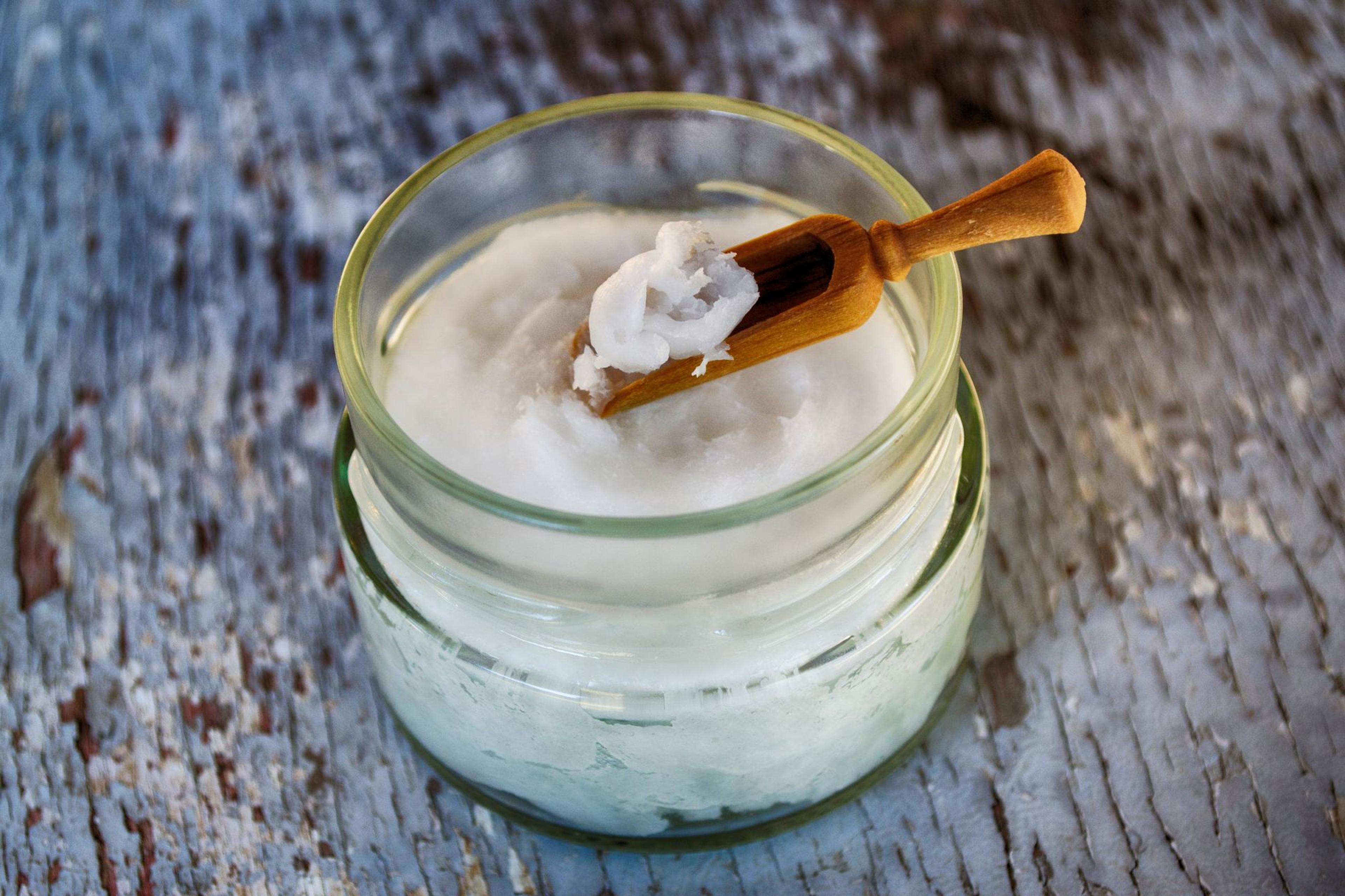
Coconut oil has been sat on shelves in Black households for generations, long before "natural hair journey" became a phrase anyone used online. Ask around the shop and you'll find everyone has their own way of using it: on the scalp, through the lengths, warmed up as a pre-wash treatment, or dabbed on edges before plaiting. KTC Pure Coconut Oil is one of our steady sellers, and customers often want to know exactly what it can and can't do for their curls, coils and waves.
This post looks at the genuine evidence behind coconut oil for hair, where KTC fits into a sensible routine, and why a patch test matters even for something as familiar as coconut oil. No inflated claims, just a grounded look at what to expect.
What Coconut Oil Actually Does for Hair
Coconut oil has been studied more than most natural hair oils, which is part of why it has such a strong reputation. A widely referenced study published in the Journal of Cosmetic Science compared coconut oil against mineral oil and sunflower oil, looking at how each affected protein loss in hair during grooming. The researchers found that coconut oil reduced protein loss in both undamaged and chemically treated hair, and it worked particularly well when applied before washing rather than after ([Society of Cosmetic Chemists, Vol. 54 No. 2](https://library.scconline.org/v054n02/68)).
That's a genuinely useful finding, but it's worth being precise about what it means:
The study measured protein loss under controlled laboratory conditions, not hair growth, thickness or length retention.
It used a specific amount of oil (roughly 3ml) applied to one half of the head, left on for around eight hours, under grooming conditions that don't necessarily mirror everyday wash day ([Society of Cosmetic Chemists, Vol. 54 No. 2](https://library.scconline.org/v054n02/68)).
It tells us coconut oil can help hair hold onto protein during a wash, not that it treats damage, fixes breakage, or works the same way for every curl pattern and porosity.
Textured hair is wonderfully varied: curl pattern, porosity, density, processing history and scalp sensitivity all differ from person to person. A study using a controlled sample isn't the same as a guarantee for your specific head of hair. So think of this research as a reason to try coconut oil as a pre-wash step, not as proof that it will transform your hair.
Topics:
About Auntie Marlene's Editorial Team
Practical, source-checked guidance from Auntie Marlene's, a Black-owned hair and beauty supply store in South London. Our articles celebrate textured hair and melanin-rich skin without pretending to offer personal or medical advice.
If you want to go deeper on porosity and why products behave differently depending on your hair type, our pieces on the [float test for determining your hair porosity](/hair-care) and getting products to absorb into low porosity hair are worth a read alongside this one.
Where KTC Fits In
[KTC Pure Coconut Oil](https://www.auntiemarlenes.com/product/ktc-pure-coconut-oil) is a simple, no-frills coconut oil, the kind you'll recognise from kitchen cupboards and hair cupboards alike. We'd encourage you to check the current packaging for the full ingredient list and any directions from KTC directly, since labels and formulations can be updated over time. What we can say with confidence is that it sits in the same general category as the coconut oil used in the research above: a pure oil, rather than a blended treatment with added actives.
That distinction matters. KTC Pure Coconut Oil is not the same product as something like [Carol's Daughter Goddess Strength 7 Oil Blend Scalp & Hair Oil](https://www.auntiemarlenes.com/product/carols-daughter-goddess-strength-7-oil-blend-scalp-hair-oil-4oz), which combines several oils and is formulated with different intentions. Nor is it the same as [Palmer's Coconut Oil Formula Body Lotion](https://www.auntiemarlenes.com/product/palmers-coconut-oil-formula-body-lotion-400ml), which is a body moisturiser rather than a hair product. Each has its own ingredients and directions, so it's worth reading labels separately rather than assuming they behave the same way.
Practical Ways to Try Coconut Oil as a Pre-Wash Step
Given what the research actually supports, a cautious pre-wash application is a reasonable way to experiment with coconut oil, particularly if your hair tends to feel dry or stripped after shampooing.
A simple approach to try:
Section your hair so the oil can be worked through evenly rather than sitting on the surface of one area.
Apply a small amount to the lengths and ends, focusing less on the scalp if you're prone to build-up there.
Leave it on before washing, rather than using it as a leave-in on freshly washed hair, since this is where the available evidence points to a benefit.
Wash thoroughly afterwards. If your hair still feels coated, stiff or greasy after shampooing, that's a sign to use less next time or to rinse for longer.
A few things to keep in mind:
Coconut oil is solid at room temperature in the UK for much of the year, so you may need to warm a small amount between your palms before it spreads easily.
Keep oil away from your eyes and hairline where it can transfer to your skin.
This is a pre-wash and occasional styling option, not a replacement for a full moisture routine. If you're building out a weekly schedule, our guide on [keeping your natural hair moisturised all week](/hair-care) and the [LOC versus LCO method](/hair-care) cover how oils, creams and water-based products work together.
What Coconut Oil Won't Do
It's just as important to be clear-eyed about the limits:
It won't grow your hair faster or longer. No oil does this, regardless of what packaging or social media might imply.
It won't repair hair that's already chemically damaged or badly broken. It may reduce further protein loss, but that's different from reversing existing damage.
It isn't guaranteed to suit every porosity. Thicker oils like coconut oil can sit heavily on low porosity strands, so if you've struggled with products feeling like they "sit on top" of your hair rather than absorbing, coconut oil might not be your best starting point.
It's not a scalp treatment for diagnosed conditions. If you're dealing with persistent scalp irritation, flaking or soreness, that's a conversation for a GP or dermatologist, not a hair oil.
Why Patch Testing Still Matters, Even for Coconut Oil
It's easy to assume that because coconut oil is natural and widely used, it can't cause a reaction. That's not quite right. Allergic contact dermatitis from cosmetics and hair products is a recognised issue, and formal patch testing (the kind done by specialists using panels of suspected allergens) exists precisely because reactions aren't always predictable from ingredients alone ([Hull University Teaching Hospitals NHS Trust](https://www.hey.nhs.uk/patient-leaflet/patch-testing-for-contact-dermatitis/)).
What we're describing here isn't that formal clinical process. It's a simple, sensible home check before you commit a new product to your whole head:
Apply a small amount of the product to a small area of intact skin (not broken or irritated skin), following any guidance on the product's own label.
Wait and observe over the following day or two, since some reactions are delayed rather than immediate.
Watch for redness, itching, swelling, burning or a rash in the area.
Stop using the product straight away if you notice any of these signs, and seek medical advice if symptoms are severe, spreading or not settling down.
This kind of check can't guarantee you won't react somewhere else on your scalp or skin, but it's a reasonable precaution, especially if you have sensitive skin, eczema, or a history of reacting to other cosmetic products. It costs you two minutes and a tiny bit of product, which is a fair trade for peace of mind.
Products to Try
If you're curious about building coconut oil into your routine, here's a sensible starting point:
[KTC Pure Coconut Oil](https://www.auntiemarlenes.com/product/ktc-pure-coconut-oil), used sparingly as a pre-wash oil on lengths and ends before your usual shampoo.
If you'd prefer a blended oil formulated specifically for scalp and hair use, [Carol's Daughter Goddess Strength 7 Oil Blend](https://www.auntiemarlenes.com/product/carols-daughter-goddess-strength-7-oil-blend-scalp-hair-oil-4oz) is a different style of product worth comparing against a pure oil.
For body care rather than hair, [Palmer's Coconut Oil Formula Body Lotion](https://www.auntiemarlenes.com/product/palmers-coconut-oil-formula-body-lotion-400ml) uses coconut oil in a completely separate formulation, so don't expect the same directions to apply.
Browse our full [hair care](/hair-care) range if you're comparing oils, or head to [wigs & extensions](/wigs-extensions) if you're caring for installed hair alongside your natural strands.
A Fair Conclusion
Coconut oil has decent evidence behind it as a pre-wash step that can reduce protein loss during washing, and KTC Pure Coconut Oil is a straightforward, affordable way to try that out. But it isn't a growth treatment, a damage repair product, or a guaranteed fit for every porosity and curl pattern. The honest answer is that it depends on your hair, how you use it, and whether you give it a fair, cautious trial starting with a patch test and a small amount before washing.
If you've got questions about where coconut oil might fit into your specific routine, pop into the shop or drop us a message. We're always happy to talk through what's actually realistic for your hair, rather than what sounds good on a label.