How to Use Nala's Curl Defining Jelly Without Crunch
Discover the right technique and product amount for using Nala's curl defining jelly on children's curls, ensuring soft, defined ringlets without a crunchy finish.
How to Use Nala's Curl Defining Jelly Without Crunch
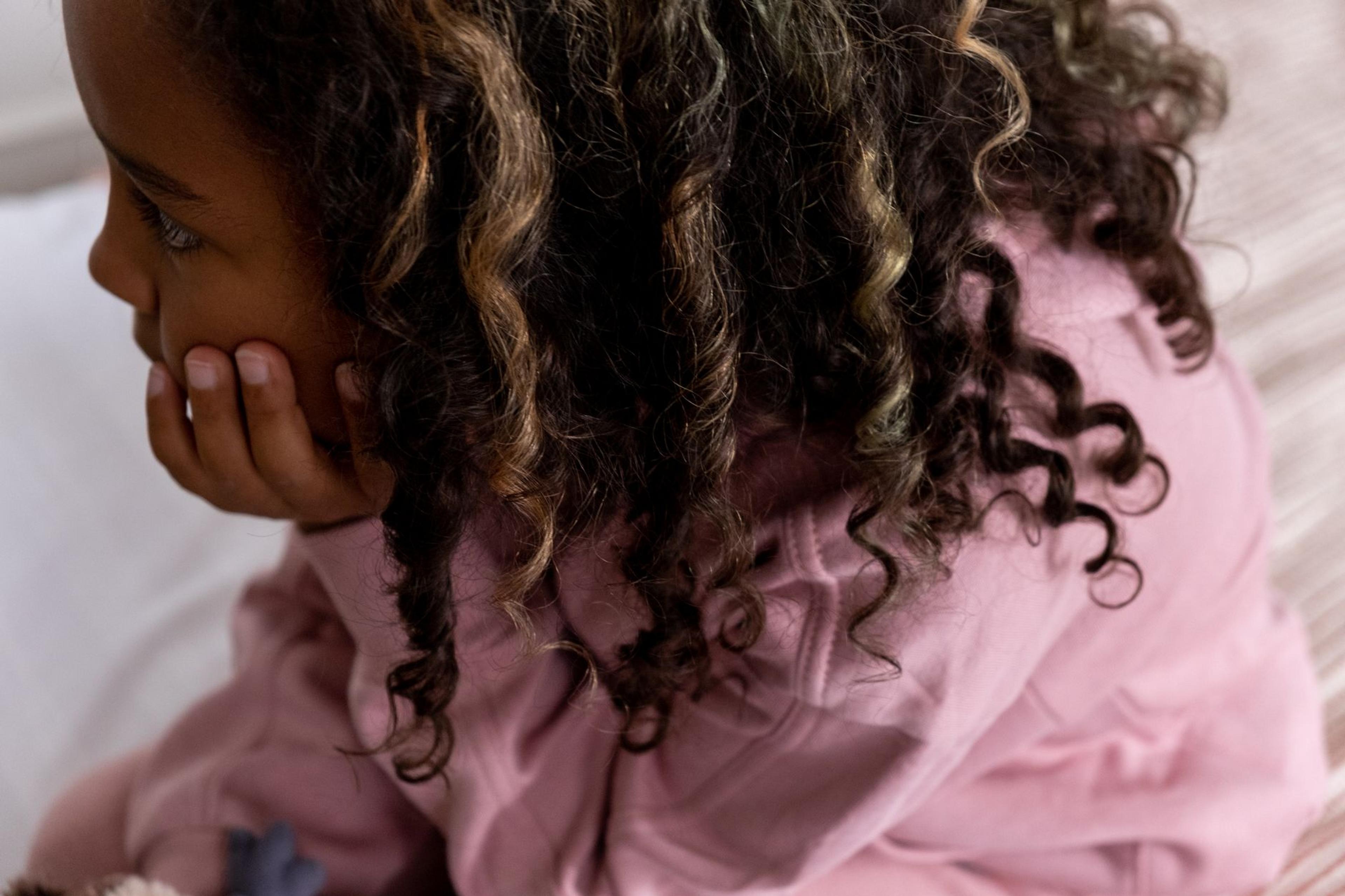
If you've ever run your fingers through your little one's curls the morning after a wash day, only to feel a hard, crispy shell instead of soft, bouncy ringlets, you'll know exactly what we mean by "crunch." It's one of the most common frustrations parents bring up when they're working with curl defining jelly on children's curls, and it's completely fixable once you understand what's actually happening to the hair as it dries.
This guide walks through practical, tried-and-tested techniques for getting soft, defined curls using Nala's Baby Kids Tropical Blast Curl Defining Jelly, without the stiff cast that puts so many parents off using jelly-based products altogether. We'll also cover safety basics, because anything applied to a child's hair and scalp deserves a bit of extra care and attention.
Why Curl Jelly Goes Crunchy in the First Place
Curl defining jellies work by coating each curl in a flexible film that holds the curl pattern in place while the hair dries. That film, sometimes called a "cast," is actually doing its job properly when it forms. The crunch isn't a sign the product has failed; it's a normal part of how these gel-based formulas work.
The problem comes when that cast doesn't get broken down afterwards, leaving hair feeling stiff and brittle rather than soft and touchable. The good news is that a crunchy cast is meant to be temporary. With the right approach, you can keep the curl definition the jelly provides while softening that outer layer once the hair is fully dry.
A Gentle Technique to Try for Softer Curls
Because the full ingredient list and specific directions for Nala's Baby Kids Tropical Blast Curl Defining Jelly aren't published on the packaging details we have access to, we can't tell you an exact amount or dilution guaranteed to prevent crunch. What we can offer are general styling techniques that many parents find helpful when working with curl jellies on children's hair. Always check the current packaging for the manufacturer's own instructions before use, as formulas and guidance can be updated over time.
Here's a technique worth trying:
Start with very wet hair. Curl jellies tend to distribute more evenly and need less product overall when the hair is properly saturated with water, not just damp. Sectioning the hair into smaller parts (four to six sections for most children's curl patterns) makes this easier to manage.
Topics:
About Auntie Marlene's Editorial Team
Practical, source-checked guidance from Auntie Marlene's, a Black-owned hair and beauty supply store in South London. Our articles celebrate textured hair and melanin-rich skin without pretending to offer personal or medical advice.
Use a small amount per section. It's tempting to apply generously for maximum hold, but a thinner layer of product is far less likely to leave a heavy, stiff cast once dry. You can always add a touch more if a section looks under-defined, but it's much harder to remove excess product once it's in the hair.
Smooth, then scrunch gently. Run the jelly through the length of each section first to coat the hair evenly, then use a gentle scrunching motion upwards towards the scalp to encourage the natural curl pattern to clump together.
Let the hair dry completely before touching it. This is the step most people skip, and it's often the real cause of ongoing crunchiness. Handling or restyling curls while they're still damp disturbs the cast before it's had a chance to fully set, which can make the finish feel stickier or less defined once dry.
Once fully dry, lightly scrunch or squeeze the curls. This is often called "scrunching out the crunch." Cup the curls gently in your hands and give them a light squeeze. This breaks up the stiff outer cast without undoing the curl definition underneath, revealing softer, bouncier curls.
Reduce the amount next time if it still feels hard. Every head of hair is different, and children's curl patterns can vary a lot even within the same family. If the cast feels particularly stiff after scrunching, try using a little less jelly on the next wash day and see whether that softens the result.
This process takes a bit of patience, especially with wriggly little ones who don't love sitting still while hair dries. Letting curls air dry overnight, or using a diffuser on a low, cool setting, can help speed things along without disturbing the curl pattern.
What the Jelly Is Designed to Do
The [Nala's Baby Kids Tropical Blast Curl Defining Jelly](https://www.auntiemarlenes.com/product/nalas-baby-kids-tropical-blast-curl-defining-jelly-150ml) is formulated for children's curls as part of the wider Tropical Blast range. While we don't have the jelly's full ingredient list or manufacturer directions to hand, the listing confirms it's designed to work alongside the rest of the range for a complete wash day routine.
If detangling is part of your routine before styling (and for most curl patterns, it should be), the [Nala's Baby Kids Tropical Blast Detangle Spray](https://www.auntiemarlenes.com/product/nalas-baby-kids-tropical-blast-detangle-spray-150ml) pairs well as a prep step. The manufacturer's guidance for the detangle spray specifically recommends spraying from around 20 to 30cm away from the hair, starting with a small amount and adding more only if needed. Worth noting that these directions apply to the detangle spray, not the curl jelly, so it's always best to check each product's own packaging for how it's meant to be used.
Safety Basics Worth Remembering
Children's hair and skin can be more reactive than adults', so a few general precautions are always sensible when introducing a new styling product:
Keep products away from the eyes. If any product does get into the eyes, rinse thoroughly with water.
Store out of reach of children. Curl jellies, like most personal care products, are intended for external use only and should be kept somewhere little hands can't access independently.
Watch for signs of irritation. If you notice redness, itching, or discomfort on the scalp or skin after using a new product, stop use. According to [NHS guidance on contact dermatitis diagnosis](https://www.nhs.uk/conditions/contact-dermatitis/diagnosis/), reactions are usually assessed clinically, and patch testing may sometimes be used to identify a specific allergen. This is different from simply trying a small amount of product at home, so if your child has a history of skin reactions or conditions like eczema, it's worth having a quick chat with a pharmacist or GP before trying something new.
Check the current packaging before each use. Ingredient lists and instructions can change, so it's always worth a quick read before applying, especially if you're trying a product for the first time.
Troubleshooting Common Crunch Complaints
"The curls feel hard even after scrunching." Try reducing the amount of product used in each section next time, and make sure hair is fully dry before attempting to scrunch out the cast. Scrunching damp hair can sometimes make things feel stickier rather than softer.
"The curls look defined but feel dry, not just crunchy." This can sometimes mean the hair needed more moisture before the jelly was applied. A leave-in conditioner or light oil underneath a curl jelly can help some curl types feel softer once dry, though how hair responds will depend on its individual texture and porosity.
"My child doesn't like having their hair touched once it's dry." Some children are sensitive to the scrunching step, particularly around the scalp. Try focusing the gentle squeeze motion on the mid-lengths and ends rather than close to the roots, or let them scrunch their own curls under your guidance so they feel more in control.
A Few Styling Notes for Different Curl Patterns
Children's curl patterns can range from loose waves to tight coils, often varying across a single head. If you're navigating a mix of textures, you might find it useful to treat different sections slightly differently, using a touch more jelly on tighter sections that tend to shrink more, and a lighter hand on looser waves that define easily.
For more general guidance on building a gentle, moisturising routine for natural hair at home, our [hair care](/hair-care) section has a range of products suited to different curl types and ages.
Bringing It All Together
Getting the most out of a curl defining jelly isn't about finding one perfect formula, it's about understanding how the product behaves on your particular child's curls and adjusting your technique accordingly. Starting with a small amount, applying to properly wet hair, letting curls dry undisturbed, and finishing with a gentle scrunch are all practical starting points worth experimenting with on your next wash day.
Every curl pattern responds a little differently, so don't be discouraged if it takes a wash or two to find the balance that works. And always keep an eye on the product's own packaging for the latest guidance, since formulas can be refined over time.
If you're building out a wash day kit for your little one's curls, pop into our [hair care](/hair-care) range to see what else might fit alongside your current routine, or have a browse through the full Nala's Baby collection for products designed with children's hair and skin in mind.