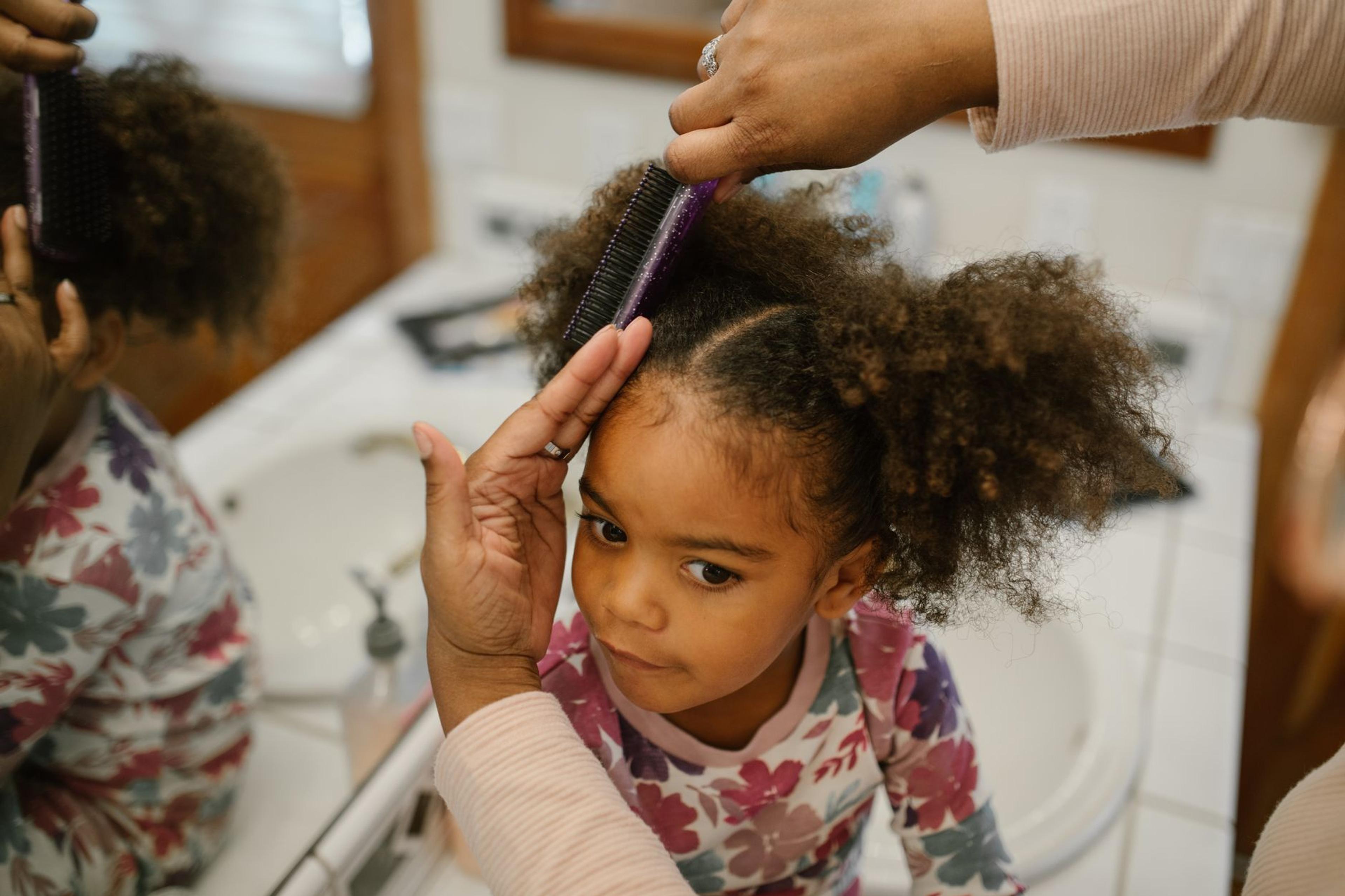
Discover how to gently detangle your child's textured hair using Nala's detangling spray, building a soothing routine that nurtures healthy hair habits from an early age.
Wash day with a little one can feel like a negotiation. There's the wriggling, the "ow, that hurts" before you've even touched a knot, and the small voice asking how much longer. If this sounds familiar, you're not alone, and the good news is that a calmer routine often comes down to technique and the right tools rather than patience alone (though a bit of that helps too).
This post walks through how to bring [Nala's Baby Kids Tropical Blast Detangle Spray](https://www.auntiemarlenes.com/product/nalas-baby-kids-tropical-blast-detangle-spray-150ml) into a gentle detangling routine for children's textured hair, plus some general handling tips that make the whole process less stressful for everyone involved.
Why Detangling Technique Matters More Than Products
Before we get into the spray itself, it's worth saying this clearly: textured hair on children comes in many forms. Some children have loose waves, some have tight coils, some have a mix of textures on one head. There is no single routine that works for every child, so think of what follows as a starting framework you can adjust, not a strict rulebook.
What does tend to help across the board is reducing tension on the hair and scalp while detangling. A children's occupational therapy handout from Black Country Children's NHS notes that a detangling spray may help before brushing thick or curly hair, which lines up with what many parents and carers already find in practice: dry brushing on its own tends to cause more snagging and more "ow" moments ([Black Country Children's NHS](https://www.blackcountrychildrens.nhs.uk/ot/images/Hair_brushing_and_styling.pdf)).
What's in Nala's Detangling Spray
Nala's Baby Kids Tropical Blast Detangle Spray is a cosmetic detangling aid, listed by the manufacturer at £5.75 for 150ml and also stocked here at Auntie Marlene's ([Auntie Marlene's](https://www.auntiemarlenes.com/product/nalas-baby-kids-tropical-blast-detangle-spray-150ml)). The ingredients list includes:
Aqua (water) and glycerin, which help with moisture
Shea butter, coconut oil and argan oil for slip
Betaine and cellulose gum, which support the spray's texture
Citric acid, lactic acid and sodium lactate
Parfum (fragrance) for the tropical scent
Topics:
About Auntie Marlene's Editorial Team
Practical, source-checked guidance from Auntie Marlene's, a Black-owned hair and beauty supply store in South London. Our articles celebrate textured hair and melanin-rich skin without pretending to offer personal or medical advice.
Preservatives including sodium benzoate and potassium sorbate
The product listing describes it as suitable for all hair types. It's worth noting it does contain fragrance, so if your child has particularly sensitive skin or a known sensitivity, it's sensible to do a small patch test first, or ask a pharmacist if you're unsure.
How to Apply It: Manufacturer Directions
The product listing is specific about application, and it's worth following this as your baseline:
Hold the bottle 20 to 30cm away from the hair.
Spray over all parts of the hair while brushing.
Use more product only if needed, section by section.
This distance matters more than people realise. Spraying too close tends to oversaturate one spot while leaving the rest of the head dry, which means you end up using more product overall and still hitting patches of resistance. Working at that 20 to 30cm distance, moving the bottle across the head as you go, gives more even coverage.
A Gentle Detangling Routine to Try
Here's a general approach that brings the spray into a wider detangling session. Remember, this is practical guidance, not a one-size-fits-all method. Adjust the order, pacing, and sectioning based on what works for your child's hair and temperament.
1. Section the hair first
Rather than tackling the whole head at once, divide the hair into four to six sections using soft bobbles or clips. Smaller sections mean less hair to manage at any one time, which generally means less pulling.
2. Spray each section before you brush
Working one section at a time, spray according to the manufacturer's directions, then begin brushing or finger-detangling that section while the rest of the hair stays clipped out of the way.
3. Support the hair near the roots
A technique many carers find helpful is holding the hair gently just above where you're detangling, close to the scalp, so that any tension lands on your hand rather than pulling directly at the root. This is a widely used approach in textured hair care generally, though it isn't something the NHS handout itself details step by step.
4. Start at the ends, work upwards gradually
Begin detangling from the very bottom of the section, clearing small knots there first before moving your comb or fingers slightly higher. Repeat this gradually up towards the scalp rather than starting at the root and dragging a comb all the way down through a full knot. It takes a little longer per section but tends to involve far less tugging overall.
5. Use a wide-tooth comb or your fingers
For young or particularly tender-headed children, finger-detangling is often gentler than a comb, even if it takes more time. If you do use a comb, a wide-tooth design put less strain on the strands than fine-tooth versions.
6. Watch for distress and pause if needed
If a child becomes genuinely upset rather than just fidgety, it's fine to pause, take a break, and come back to it later or the next day. Hair doesn't need to be fully detangled in one sitting, and a rushed session under protest tends to create negative associations with wash day that linger.
Building It Into a Full Wash Day Routine
Detangling spray works best as one part of a broader, gentle approach rather than a standalone fix. A few things that tend to help around it:
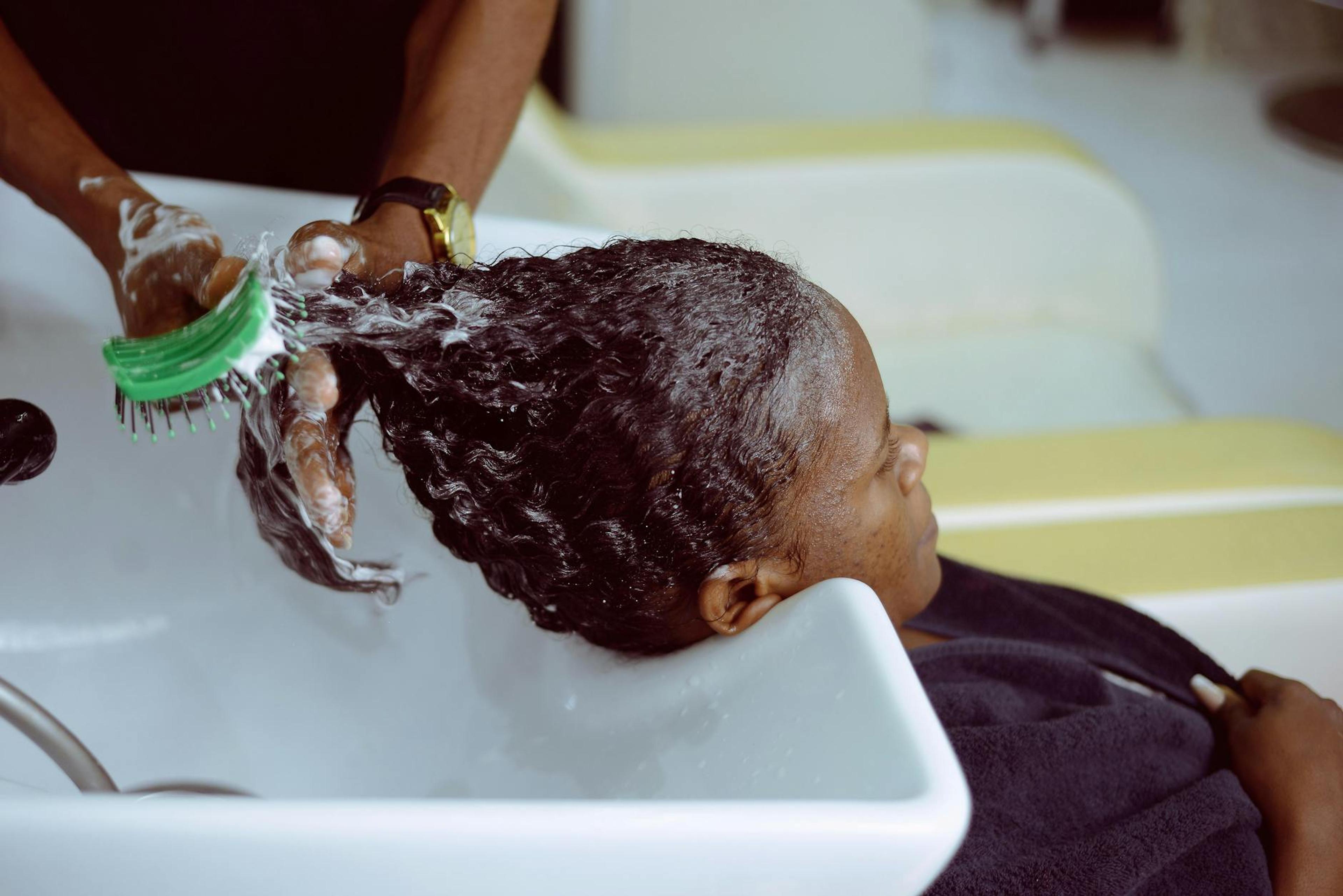
Pre-wash detangling: Many carers find it easier to do an initial gentle detangle before shampooing, since tangled hair can become more difficult to manage once wet. If you're using [Nala's Baby Original Body Wash & Shampoo](https://www.auntiemarlenes.com/product/nalas-baby-original-body-wash-shampoo-200ml), this pre-wash step can make the whole wash easier.
Keep sessions short: Shorter, more frequent detangling sessions, rather than one long battle once a week, often suit children better.
Follow with moisture: After detangling and washing, a lightweight lotion or oil can help keep hair feeling soft between washes. [Nala's Baby Original Nighttime Oil](https://www.auntiemarlenes.com/product/nalas-baby-original-nighttime-oil-200ml) is worth a look for an evening routine.
Finish with definition if desired: For curlier textures, something like [Nala's Baby Kids Tropical Blast Curl Defining Jelly](https://www.auntiemarlenes.com/product/nalas-baby-kids-tropical-blast-curl-defining-jelly-150ml) can be used once the hair is detangled and you're ready to style.
If you're building out a fuller wash day sequence, our piece on [the LOC vs LCO method](/hair-care) covers layering products for moisture, though note that's written with adult hair care in mind, so simplify accordingly for children.
What to Look For in a Kids' Detangling Product
When choosing a detangling spray for a child, a few general things are worth checking:
Fragrance and sensitivities: If your child has reacted to fragranced products before, patch test anything new on a small area of skin first.
Clear usage directions: Look for products that tell you how to apply them, like the 20 to 30cm spray distance specified for Nala's spray, rather than vague "apply as needed" instructions.
Avoid eye contact: The Nala's product listing specifically warns to avoid eye contact and to rinse with warm water if contact occurs, and to keep it out of children's reach generally, which is sensible guidance for any spray product used near a child's face.
Browse our wider [hair care](/hair-care) range if you're looking to build out the rest of a children's routine.
When to Seek Further Advice
A detangling spray is a cosmetic product, and it isn't a solution for scalp issues. If your child has persistent scalp pain, inflammation, sores, severe flaking, or unusual hair loss, these are things to raise with a GP, health visitor or pharmacist rather than something to manage with any hair product. Detangling spray and gentle technique can make day-to-day hair care more comfortable, but they're not a substitute for medical advice when something seems genuinely wrong.
A Final Thought
Children's textured hair routines are rarely about finding one perfect product and being done with it. It's more often a combination of the right tool, a bit of patience, and a technique that reduces unnecessary tugging. Starting with sectioning, using a spray at the right distance, and working gently from ends to roots is a solid foundation to build from, and you can adjust the details as you learn what your own child's hair responds to.
If you'd like to see the full range of Nala's products or explore other gentle options for children's hair, have a browse of our [hair care](/hair-care) section whenever you're ready. We're always happy to help you find what suits your family's routine.